A well-designed deck transforms your backyard into an extension of your home, a space for morning coffee, weekend gatherings, or quiet evenings under the stars. Whether you’re starting from scratch or refreshing an aging structure, modern deck ideas blend functionality with contemporary aesthetics. In 2026, homeowners are prioritizing sustainable materials, multi-zone layouts, and smart storage that work as hard as they do. This guide walks you through proven approaches to designing and building a deck that fits your lifestyle and budget, without the sales pitch or Pinterest fantasies.
Table of Contents
ToggleKey Takeaways
- Modern deck ideas prioritize multi-zone layouts, sustainable materials, and smart storage to maximize outdoor living and match your lifestyle.
- Composite decking offers superior durability with minimal maintenance (2–3x cost upfront but 25+ year lifespan), while pressure-treated wood remains budget-friendly but requires regular sealing and staining.
- Effective deck design flows naturally from your house, with primary gathering zones near the door and distinct areas for dining, cooking, and entertaining to encourage daily use.
- Built-in features like benches with storage, shade structures, and weatherproof storage boxes add functionality and save space compared to standalone furniture.
- Safety code compliance for stairs (7.25–8 inch riser height, 36-inch railings, 4-inch balusters) and grill placement (10 feet from house) protects your family and meets legal requirements.
- Thoughtful lighting, a mix of seating types, and outdoor rugs transform your deck into an inviting evening retreat while defining activity zones.
Contemporary Deck Designs That Maximize Your Outdoor Living
Modern decks have moved beyond a simple rectangular platform. Today’s designs use multiple levels, built-in seating zones, and varied surface materials to create distinct areas for cooking, lounging, and entertaining. A split-level approach, where one section sits slightly elevated, adds visual interest and can define spaces without railings. Keep proportions sensible: a deck that’s 12 feet by 16 feet works well for most suburban lots, though yours might call for something smaller or larger depending on your yard size and local setback requirements.
The layout should flow naturally from your house. Place your primary gathering zone closest to the door: that’s where foot traffic happens first. If you’re installing a dining table, position it away from the kitchen door to reduce spill risks and create a distinct eating area. Consider sight lines: can you see the grill from the main seating area? Does the shade structure block views you want to keep? A good deck design is one you’ll actually use every day, not just on special occasions.
Sustainable and Budget-Friendly Deck Materials
Composite Decking Options
Composite boards blend wood fibers with plastic polymer, creating a low-maintenance alternative to pressure-treated lumber. They resist rot, splinters, and fading far better than wood, though they cost 2–3 times more upfront. Most composite decking requires minimal sealing and won’t need sanding or staining every few years, a significant time and cost savings over the product’s 25+ year lifespan. Brands vary in feel and longevity: mid-range options often deliver the best value.
One trade-off: composites can be softer than wood and may dent under heavy point loads. They also expand and contract with temperature swings, requiring slightly wider gaps between boards than wood. Installation follows standard deck-building practices, though some composites need stainless steel fasteners to prevent staining. If you’re planning a home renovation ideas project that includes outdoor living, composite offers durability with less upkeep.
Low-Maintenance Wood Alternatives
Pressure-treated southern pine remains the budget choice, roughly $1–2 per board foot, but demands annual sealing and regular staining if you want it to look good. Cedar and redwood offer better aesthetics and natural rot resistance, yet still require maintenance. Tropical hardwoods like ipe are exceptionally dense and durable but are expensive and harder to cut: they require pre-drilling for fasteners.
If you choose real wood, acclimate the lumber to your yard for several days before installation: this minimizes cupping and warping after the deck is built. Use hot-dipped galvanized or stainless steel fasteners to avoid rust bleeding. A quality exterior stain applied every 2–3 years extends the life of wood decks significantly. Consult home renovation ideas and trends to see what other homeowners are choosing for longevity and visual appeal.
Functional Deck Features for Everyday Enjoyment
Built-in benches and planter boxes add character while saving space and money versus buying separate furniture. A wraparound bench with storage underneath (accessed via hinged tops) keeps cushions, gardening tools, or grilling supplies out of sight. Planters, whether built-in boxes or container gardens, soften hard lines and add greenery without requiring a full landscape redesign. Popular outdoor resources like Southern Living showcase regional deck styles that incorporate native plants and locally inspired design.
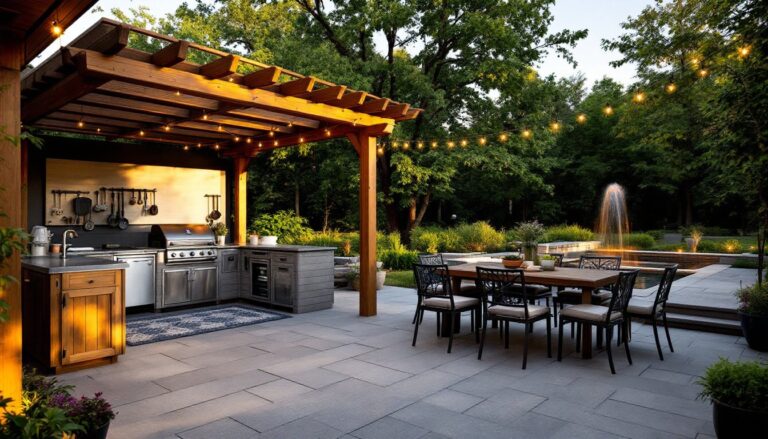
A simple deck shade structure, whether a pergola, shade sail, or fixed roof, extends your usable hours by blocking afternoon sun and drizzle. A pergola with adjustable louvers offers the most flexibility: fixed roofs provide solid protection but reduce light. Don’t underestimate the importance of a grill placement and prep area. Designate a spot with nearby counter space (even a small shelf or cart works) for food prep, condiments, and tools. Ensure the grill is 10 feet from the house and any low-hanging combustibles per standard fire codes.
Deck stairs and railings aren’t optional, building codes require them. Stair treads should be 7.25–8 inches tall (riser height) with 10–11-inch runs (tread depth). Railings must be 36 inches high and withstand 200 pounds of force. Balusters (the vertical spindles) cannot allow a 4-inch sphere to pass through, a safety rule that prevents children from getting stuck. These aren’t cosmetic rules: they’re based on decades of accident data and fall prevention.
Lighting, Seating, and Storage Solutions
Thoughtful lighting transforms a deck into an evening retreat. Solar path lights along the stairs cost little and improve safety. LED strip lights tucked under railings or fascia create ambient glow without harsh shadows. If you wire hardwired lights, run conduit (PVC or metal) under the deck framing to keep wiring protected and neat. Always hire a licensed electrician for 120V circuits: DIY mistakes here cause fires and shocks.
Seating defines how people use your space. A mix of fixed benches, lounge chairs, and a dining table encourages different activities: chatting on the bench, relaxing in the loungers, sharing meals at the table. Cushions and throw pillows add comfort and color but need proper storage when not in use. A weatherproof deck box, essentially a waterproof bench with a hinged lid, keeps cushions, blankets, and garden hoses organized and dry. Outdoor rugs (acrylic or polypropylene, not wool) define zones and add warmth underfoot.
Storage is often an afterthought but saves weekends of searching for tools and supplies. Under-deck storage systems (trays that hang below the main deck) capture the dead space underneath: they’re affordable and don’t take up any footprint. Built-in cabinets with marine-grade hardware resist corrosion. Better Homes & Gardens offers seasonal home improvement ideas including deck storage solutions that blend function with style. If you’re storing seasonal items or pool equipment, ensure good air circulation to prevent mold and mildew.
Conclusion
Building or refreshing a deck isn’t just about materials and measurements, it’s about creating a place you’ll actually spend time in. Start with a clear picture of how your household uses outdoor space: quiet mornings, dinner parties, kids’ playtime, or all three. Choose materials that match your maintenance tolerance and budget. Include built-in features that earn their weight: shade, seating, storage, and safe access. With thoughtful design and honest prep work, your deck will become the favorite room in your home for years to come.