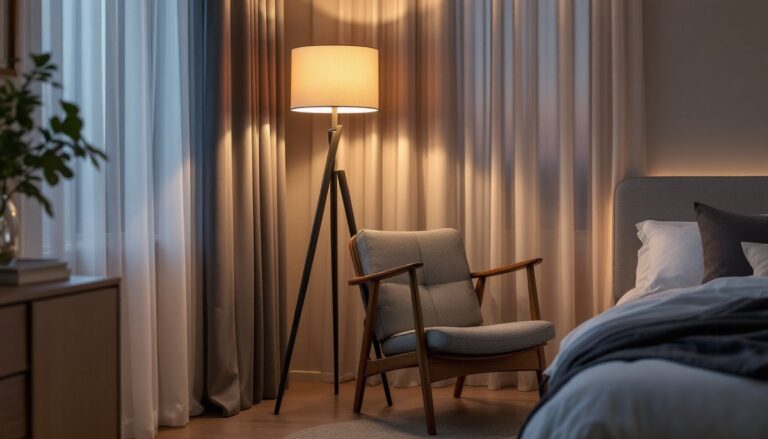
A guest bedroom that sits mostly empty except for the twice-yearly visit from relatives doesn’t have to be a wasted room. Converting it into a dual-purpose guest bedroom office gives you a functional workspace without sacrificing the ability to host overnight guests. The key is smart planning, choosing furniture that pulls double duty, creating zones that separate work from rest, and building in flexibility so the room doesn’t feel cramped when company arrives. This guide walks through seven practical design strategies that homeowners can tackle themselves, from layout considerations to storage hacks that keep clutter out of sight.
Table of Contents
ToggleKey Takeaways
- Guest bedroom office ideas work best when layouts position the desk away from the bed to create distinct work and sleeping zones, even in compact 10′ × 12′ rooms.
- Multifunctional furniture like beds with built-in drawers, ottoman benches with lift-top storage, and wall-mounted shelving eliminate the need for separate pieces and maximize usable floor space.
- Layered lighting combining ambient, task, and accent lights boosts productivity and comfort while maintaining a bedroom aesthetic that feels welcoming to overnight guests.
- Visual and psychological separation using room dividers, area rugs, and distinct lighting patterns helps mentally shift between work and rest modes in a dual-purpose space.
- Smart vertical storage—wall-mounted shelves, rolling carts, and under-bed containers—keeps clutter hidden and makes the room feel open without sacrificing functionality.
- Neutral wall colors, soft textiles, and natural materials create a cohesive aesthetic that balances professional workspace needs with the comfort and warmth a guest bedroom requires.
Choose A Layout That Maximizes Space
Start by measuring the room accurately, including wall lengths, window and door placement, and ceiling height. Draw a quick floor plan on paper or use a free tool like Floorplanner to test arrangements before moving anything. The goal is positioning your work area away from the bed so the two zones feel separate, even in a small room.
For a typical 10′ × 12′ guest bedroom, position the desk perpendicular to or against a window wall rather than facing the bed directly. This natural light boost helps with productivity and reduces eye strain during the day. If the room has a narrow layout, a corner desk fits tidily and doesn’t block sightlines to the bed. Conversely, if width allows, floating the desk away from walls creates a visual boundary and makes the room feel larger, not cramped.
Consider traffic flow too. The path from the door to the bed should stay clear so guests don’t have to navigate around your office setup. Keep the bed easily accessible for making it up when company’s coming. Test your layout by walking through it, if you’re stubbing your toe on chair legs, redesign it now rather than after you’ve moved everything in.
Invest In Multifunctional Furniture
This is where the magic happens. A bed with built-in drawers underneath provides guest bedding storage without needing a separate dresser. Ottoman benches with lift-top storage work as seating for guests, a footrest while working, and hidden storage for office supplies or linens. Look for ottomans rated for at least 300 pounds if you plan to sit on them regularly.
For the desk itself, choose a compact model, 48″ to 60″ wide works well in a guest room. Wall-mounted shelving above the desk or on adjacent walls keeps papers and supplies off the work surface and frees up floor space. If wall-mounted isn’t an option, a narrow bookcase or shelving unit behind the desk doubles as a room divider and storage solution.
A futon or daybed replaces a traditional bed frame and can be folded or repositioned quickly for guest visits. Some models come with under-bed storage drawers, extending functionality further. When evaluating multifunctional pieces, check weight capacity and assembly difficulty, a wall-mounted desk or shelving requires proper installation with studs or heavy-duty anchors, not just drywall fasteners. If you’re not confident locating studs or drilling, a furniture-based solution like a storage headboard is faster and doesn’t require wall modification.
Optimize Lighting For Both Comfort And Productivity
Poor lighting kills productivity and makes a room feel smaller. Layered lighting using three types, ambient, task, and accent, works best. Start with existing overhead lights: they provide baseline ambient lighting but aren’t enough alone for desk work.
Add task lighting with a desk lamp positioned slightly to the left or right of your monitor to minimize glare and shadows on your work surface. LED desk lamps with adjustable color temperature (3000K–5000K range) reduce eye fatigue during long work sessions. Position the lamp so light falls on your work, not your screen.
Natural light from windows is ideal when available, just add a light-blocking shade or sheer curtain to control glare on monitors. If the room has north-facing windows, supplement with warm white (2700K) bulbs to avoid a dingy atmosphere. South or west-facing rooms may need sheer curtains to prevent harsh afternoon glare.
Accent lighting, a small wall sconce or LED strip behind shelving, adds visual interest and makes the space feel less clinical when guests are sleeping. This layered approach balances work functionality with a bedroom aesthetic that doesn’t scream “office.”
Create A Defined Work Zone
Even in an open-concept room, visual separation between workspace and sleeping area matters psychologically. You need a clear signal that says “this is where work happens” and “this is where guests rest.”
Use a room divider, a fabric screen, folding partition, or even a tall bookcase, to block sightlines from the bed to the desk. Rugs also define zones: a 5′ × 8′ area rug under the desk and chair visually grounds the workspace. This approach works better than color alone: a rug creates a literal boundary without eating much square footage.
Lighting zones reinforce the separation. Keep the desk area brighter and the bed area softer. Wall-mounted sconces flanking the headboard or bedside table lamps create a distinct bedroom feel, while the desk gets focused overhead and task lighting. This layering makes the room feel intentionally designed, not jury-rigged.
Creating zones also helps mentally shift between modes. When you close the divider or step away from the desk, you’re psychologically leaving work behind. Guests immediately recognize where to sleep and where the office isn’t. Psychological compartmentalization like this is surprisingly effective in small spaces where physical separation is limited.
Add Smart Storage Solutions
A cluttered workspace shrinks a room visually and kills productivity. Storage must be smart: visible, labeled, and accessible without consuming floor space.
Wall-mounted floating shelves above the desk cost $15–$50 per shelf plus installation time and hold office essentials (pens, notebooks, reference books) at arm’s reach. Install shelves 12–18 inches above the desk surface so they don’t obstruct your work or sightlines. Ensure shelves are secured to studs with appropriate heavy-duty brackets rated for your expected load: drywall anchors alone won’t hold books and supplies safely.
Vertical storage maximizes small footprints. A narrow rolling cart (18″ wide, 24–36″ tall) tucks beside the desk or into a corner and holds supplies. Label bins or drawers clearly so items are findable and everything has a home. Clear containers let you see contents at a glance without opening each one.
For linens and bedding, under-bed storage containers on wheels slide out easily when guests arrive. Closet organizers, hanging shoe racks, shelf dividers, expand vertical space and keep guest linens separate from office files. The principle: nothing on the floor, everything labeled, and frequently used items at eye level. This keeps the room feeling open and functional regardless of its size. Reference popular small space storage strategies for additional inspiration.
Design A Welcoming Aesthetic
A dual-purpose room succeeds when it feels like both a workspace and a guest bedroom, not a compromise. Paint, textiles, and accessories unify the space visually.
Choose a neutral wall color, soft grays, warm whites, or pale beige, that feels calm for work yet restful for sleeping. Avoid stark white, which can feel cold and clinical: a warmer undertone (cream or off-white with yellow or gray undertones) makes the room feel livelier. If you want color, consider a soft accent wall behind the bed or a bold headboard to anchor the sleeping zone without overwhelming a small space.
Textiles create softness and absorb sound, reducing echoes in a room with hard surfaces (desk, monitor, shelving). A quality quilt, throw pillows, and a rug in coordinating colors feel intentional. Layer in small decor, a framed print, a small plant, a table lamp with a linen shade, that blends office and bedroom aesthetics. Avoid overstuffing: two or three well-chosen pieces beat clutter.
Incorporate natural materials where possible: wood furniture tones, linen curtains, a few plants. These soften the office feel and make guests more comfortable. The goal is a space that functions professionally but doesn’t look like a cubicle. Explore creative guest room-office combinations for design inspiration that balances both functions.
Conclusion
A guest bedroom office works when planning prioritizes both functions equally. Focus on flexible furniture, zoned lighting, smart storage, and intentional layout choices that separate work from rest. These adjustments don’t require a contractor or major renovation, most are tasks confident DIYers can handle in a weekend. Start with your layout sketch, add one multifunctional piece at a time, and refine based on how the space actually works in daily use. The result is a room that earns its keep year-round.