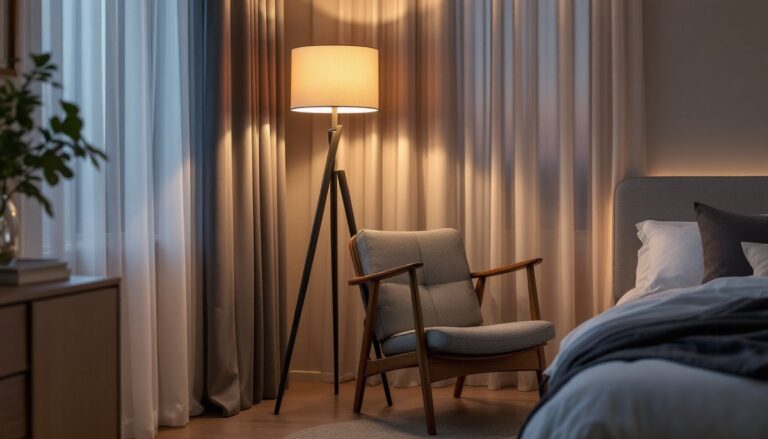
Transforming a bedroom into a feminine retreat doesn’t require a complete overhaul, it’s about intentional choices that reflect both personal style and genuine comfort. Whether you’re designing from scratch or refreshing a dated space, feminine bedroom ideas focus on creating an environment that feels calm, welcoming, and distinctly yours. This guide walks through practical color selections, furniture arrangements, textile choices, and lighting strategies that professional designers use to build serene sanctuaries. You’ll learn how to balance aesthetics with livability, avoiding trendy excess in favor of lasting elegance that works for your lifestyle and budget.
Table of Contents
ToggleKey Takeaways
- Soft, muted colors like blush pink, pale lavender, and warm beige create tranquility and make feminine bedroom ideas feel larger by reflecting light gently.
- Layered textiles—high thread-count sheets, decorative pillows, throw blankets, and quality area rugs—transform a bedroom into a luxurious sanctuary with tactile depth.
- Position your bed to see the door from lying down and maintain at least 18 inches of clearance on each side to psychologically promote better rest and circulation.
- Implement three types of lighting: ambient, task, and accent, with warm 2700K bulbs and dimmer switches for flexibility that supports different moods and routines.
- Mix statement pieces like vintage dressers or ornate mirrors in varying wood tones and styles rather than matching suites for visual interest without overwhelming the space.
- Start with one design element and layer changes over time to refine your feminine bedroom vision without costly mistakes while prioritizing genuine comfort over trends.
Color Palettes That Inspire Calm and Elegance
The foundation of any feminine bedroom starts with color. Soft, muted tones create the tranquility most homeowners seek, while bolder accents add personality without overwhelming the space.
Pastels and neutrals dominate feminine design for good reason, blush pink, soft lavender, pale sage, and warm beige genuinely soothe the nervous system. These colors work especially well on walls because they reflect light gently, making the room feel larger and airier. If you’re painting, choose a quality interior paint with good coverage (typically 300–400 square feet per gallon) and primer to avoid multiple coats. Flat or eggshell finishes hide imperfections better than gloss, which matters on bedroom walls where light sources are often low.
Neutral bases, cream, soft gray, or warm white, give you flexibility to layer in color through textiles and decor. This approach also means you can refresh the room’s feel by swapping throw pillows or artwork without repainting.
For accent colors, consider jewel tones in moderation: deep emerald, dusty rose, or slate blue on a single feature wall or in textiles creates depth without fatigue. Avoid high-saturation colors that draw the eye constantly: they create visual noise in a space meant for rest.
Remember that natural light dramatically affects how color reads. North-facing rooms benefit from warmer undertones to counteract cool light, while south-facing spaces can handle cooler palettes. Test paint samples on your walls over several days, observing them at different times, morning light, afternoon glare, and evening lamplight all shift perception.
Furniture Styles and Layouts for Maximum Comfort
Bedroom furniture serves function first, sleep quality depends on a supportive mattress, adequate storage, and thoughtful spacing. Style follows.
Start with your bed as the anchor. A upholstered headboard in linen, velvet, or soft cotton creates an inviting focal point and adds tactile warmth. Bed frames with legs (rather than a solid platform base) feel lighter visually, a key principle in feminine design. Aim for a bed width that leaves at least 18 inches of clearance on each side for movement: cramped layouts feel cramped, not cozy.
Nightstands should be proportional to your bed, a queen typically pairs well with small tables about 24 inches wide. Include task lighting (a wall-mounted reading light or small lamp) rather than relying solely on overhead fixtures. This supports both function and ambiance.
Storage solutions matter enormously. Dressers with drawers offer more accessible storage than tall shelving for everyday items. A low bench at the foot of the bed doubles as a design element and practical seating for dressing. Avoid over-furnishing: every piece should serve a purpose.
Layout tip: Position your bed where you see the door from lying down, this psychologically promotes better rest. Allow at least 3 feet of walking space around furniture: cramped circulation makes a room feel anxious, not restful.
Choosing Statement Pieces
Statement pieces, a vintage dresser, an ornate mirror, or an upholstered accent chair, anchor a room’s personality. Rather than matching suites, mix wood tones and styles for depth. A darker wood dresser against pale walls, paired with a lighter nightstand, creates visual interest without chaos.
An accent chair near a window serves function (reading nook, getting dressed) and aesthetic purpose. Choose upholstery in a complementary color or pattern: this is where you can introduce texture or a subtle print without committing to wall color.
Mirrors amplify light and create perceived space, a large leaning mirror or wall-mounted piece above a dresser is both practical and decorative. Gold, brass, or matte black frames add a design accent based on your overall palette.
Textiles and Fabrics That Add Softness
Textiles transform a bedroom from sterile to sanctuary. Layering fabrics in complementary textures creates tactile depth that visually softer than a flat finish.
Bedding is the largest textile investment. High thread-count sheets (400–600 TC) feel noticeably better than budget options and last longer through washing. Cotton, linen blends, and organic cotton are breathable and durable. Skip heavily polyester blends for bedroom use, they trap heat and degrade faster. A duvet cover in a coordinating solid or subtle pattern offers flexibility: you can change seasonal looks without replacing the duvet insert.
Layering adds luxury perception: a fitted sheet, top sheet, lightweight quilt or duvet, and decorative throw pillows in varying textures create visual richness. Linen pillowcases feel cool against skin and age beautifully. Mix pillow sizes, standard, king, and square, and vary firmness for comfort and visual balance.
An area rug anchors the space and provides soft footing. A wool or wool-blend rug (about 8×10 feet, or scaled to your room) is durable and naturally stain-resistant. Plush fibers feel luxurious underfoot but require more maintenance: a lower pile works better in high-traffic bedrooms. Pale neutrals show footprints: consider subtle patterns or slightly darker tones for practicality.
Window treatments affect both light control and mood. Linen or linen-blend curtains filter light softly while maintaining a relaxed aesthetic. Sheer under-layers with blackout liners give you flexibility, light filtering during the day, darkness for sleep at night. Heavier fabrics muffle outside noise, which supports sleep quality.
Throw blankets across the foot of the bed or draped over an accent chair add warmth and visual softness. Chunky knit, faux fur, or quilted textures invite tactile comfort. Position them casually (not perfectly folded) for an inviting, lived-in feel.
Lighting and Decor Accents
Lighting shapes mood more than any other element. A bedroom with only overhead fixtures feels institutional: layered lighting creates flexibility for different times of day.
Incorporate three lighting types: ambient (overhead or central fixture), task (bedside lamps, reading light), and accent (wall sconces, string lights, or a dimmer switch). Dimmer switches are inexpensive to install and dramatically improve flexibility, you can brighten for cleaning, dim for relaxation. If installing new fixtures, follow standard electrical codes (NEC): if you’re uncertain about running new wiring, hire a licensed electrician. Building permits are required for most electrical work.
Chose warm-toned bulbs (2700K color temperature) rather than cool white: warm light is more flattering and sleep-supportive. LED bulbs save energy and last 15,000+ hours compared to incandescent alternatives.
Wall sconces flanking the bed eliminate the need to reach for bedside lamps and create balanced lighting. Install them 24–30 inches above the nightstand surface for comfortable reading light without glare.
Creating Ambiance With Lighting
Consider layered, dimmable options that serve your actual routine. A simple table lamp with a linen shade diffuses light softly. Lamps with USB ports offer charging convenience without cluttering nightstands.
Accent lighting, a string of warm Edison bulbs, candles, or a small decorative fixture, adds personality and warmth. Avoid harsh, flickering candles near fabric: battery-operated LED candles provide ambiance without fire risk.
Decor accents complete the feminine aesthetic. Artwork sets tone, botanical prints, abstract shapes, or soft-focus photography work better than busy patterns in a restful space. Frame sizes should vary: one large piece anchors a wall more effectively than four small frames. Hang art at eye level (57–60 inches from the floor to the center of the frame).
Floral elements, fresh or high-quality silk arrangements, add natural beauty without demanding maintenance. A small vase on the nightstand or dresser refreshes the space seasonally.
Sources like MyDomaine offer curated design inspiration, and Domino’s collection of feminine bedroom ideas showcases plush textures and romantic palettes you can adapt to your style. For additional visual references, House Beautiful’s roundup of feminine bedroom ideas provides 40 gallery images spanning various approaches.
Scents matter subtly, a diffuser or fresh flowers create sensory comfort without perfume overwhelm. Mirrors, shelving with styled accessories, and minimal clutter round out the design.
Conclusion
Creating a feminine bedroom sanctuary combines thoughtful color selection, functional furniture, layered textiles, and deliberate lighting to produce a space that feels both beautiful and genuinely restful. The approach prioritizes your comfort and lifestyle over trends, building a room that supports better sleep and daily wellbeing. Start with one element, paint, new bedding, or repositioned furniture, and layer changes over time. This measured approach lets you refine your vision without costly mistakes, and creates a bedroom you’ll love living in.