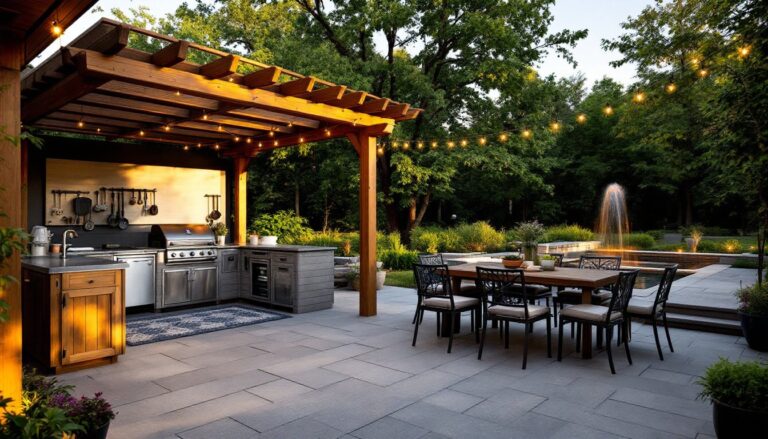
A patio doesn’t need a five-figure budget to look inviting and functional. Whether you’re working with a compact balcony or a sprawling backyard, smart material choices, DIY labor, and strategic design decisions can transform your outdoor space into a place where you actually want to spend time. This guide walks you through budget-friendly patio ideas that deliver real style without emptying your wallet, because great outdoor living is more about intentional planning than expensive furniture and high-end finishes.
Table of Contents
ToggleKey Takeaways
- Inexpensive patio ideas leverage free or low-cost materials like reclaimed bricks, pallets, gravel, and salvaged hardscape to create a polished foundation without premium costs.
- Second-hand furniture from thrift stores and estate sales paired with affordable paint or stain transforms mismatched pieces into cohesive, budget-friendly seating on any inexpensive patio design.
- Shade cloth, solar string lights, and layered lighting solutions extend patio usability from daytime to evening while maintaining low material and installation costs.
- Strategic plant placement and container gardening using affordable potting and end-of-season deals add visual impact and greenery without major hardscape investment.
- DIY pallet benches and built-in seating projects deliver functional furniture for under $100 when combined with exterior stain, sealers, and standard dimensional lumber.
- Vertical gardening, privacy pallet fencing, and natural mulch pathways maximize space and privacy efficiently, allowing your budget to stretch further across multiple design elements.
Start With Free Or Low-Cost Hardscaping Materials
Before buying anything, assess what you already have. Reclaimed bricks, concrete pavers salvaged from demolition sites, or gravel left over from landscaping projects can form a solid foundation for your patio. Many local construction or landscaping contractors give away scrap materials for free, it’s worth a few phone calls.
If you need to purchase materials, crushed stone, pea gravel, or recycled asphalt are dirt cheap and create a clean, finished look with zero installation complexity. A 50-pound bag of pea gravel runs $3–5, and you can lay it directly on compacted soil in a matter of hours. For a more permanent surface, concrete stepping stones or basic 12×12 pavers cost far less than full-poured concrete or expensive stone. Install them in sand rather than mortar to avoid the precision and mess that comes with wet concrete.
Wood pallets are another goldmine. Free or near-free from shipping departments, warehouses, and online listings, they can be sanded, stained, and arranged to create a simple raised platform or deck surface. Check that they’re heat-treated (marked “HT”) rather than chemically treated (marked “DB”) before bringing them home. A modest 8×10 pallet platform costs under $50 in materials if you already own a saw and sandpaper.
Natural wood chips or mulch also work for softer pathways and define planting zones without the cost of hardscape. These materials settle and break down over time, so plan to refresh annually, but that’s part of keeping upkeep costs low.
Add Seating And Comfort On A Shoestring Budget
Seating is non-negotiable on a patio, but it doesn’t have to cost much. Second-hand outdoor chairs, benches, and small tables from thrift stores, estate sales, and Facebook Marketplace often need nothing more than a coat of paint or stain to look fresh. A can of exterior-grade spray paint (about $8–12) transforms mismatched pieces into a cohesive look.
Ground-level seating, think large cushions or throw pillows on the patio surface itself, creates a casual, inviting vibe for nearly nothing. Outdoor-rated cushions and pillows have come down in price, with decent options starting around $20 each at big-box stores. Layering them on concrete pavers or wood platforms makes a cozy lounging zone.
Built-in seating is a longer-term investment but pays off. A simple bench along one edge, filled with storage underneath, provides function and visual weight without the cost of multiple chairs. Use 2×4 and 2×6 lumber (standard dimensional lumber, not specialty stock) and outdoor wood screws to construct the frame, then add a cushion for comfort.
DIY Bench And Pallet Projects
A basic pallet bench requires minimal skill. Select two sound wooden pallets (inspect for rot or deep cracks), stack them, and secure them together with exterior wood screws. Add a backrest by leaning a third pallet against the stack or attaching one permanently with lag bolts. Sand the whole assembly smooth, fill any gaps with wood filler, and finish with exterior-grade stain or paint. Protect it from weather with a waterproof sealer rated for outdoor wood, this extends life by years and costs about $15 per quart.
For a low-slung platform that works as both a bench and a base for a fire pit or small table, arrange pallets in a grid pattern at ground level. Fill the top with outdoor cushions and you’ve got a sectional-style seating area for under $100 total. The pallets will eventually weather and soften in appearance, which many people prefer to slick new furniture.
Create Affordable Shade And Privacy Solutions
Shade is essential for patio comfort, and budget options abound. A basic 10×10 square umbrella costs $40–80 and can anchor your seating zone. Cantilever umbrellas (offset designs) are pricier but don’t need a center pole, so they’re worth the extra cash if space is tight.
For permanent shade, shade cloth is a game-changer. Available in 30%, 50%, or 70% opacity ratings, it attaches to a simple wooden frame and costs roughly $50–150 depending on size and opacity. A 50% shade cloth filters sunlight while still allowing airflow and maintains a cooler surface temperature than solid structures. Secure it to 2×4 posts set in concrete footings or attached to existing structures like fences or house walls.
Privacy fencing built from pallets is surprisingly effective and inexpensive. Arrange pallets vertically between simple post supports (4×4 lumber set in concrete), then face them with corrugated metal panels, bamboo screening, or landscape fabric stapled to the wood frame. This creates a solid visual barrier for a fraction of the cost of traditional privacy fencing. It won’t last 20 years, but it’ll serve for 5–7 years with minimal upkeep.
Plant-based screening, tall ornamental grasses, shrubs, or climbing vines on a trellis, takes longer to establish but costs almost nothing once started. Bamboo screening (woven or rolled) is another affordable quick fix that softens hard edges and blocks sight lines. Budget-friendly patio design solutions and decorating tips often emphasize layering shade and screening to maximize comfort without major construction.
Design Inexpensive Lighting And Ambiance
Lighting transforms a patio from daytime-only to evening-ready, and solar options make this accessible. Solar string lights ($15–40) strung overhead create instant ambiance with zero electrical work and no monthly cost. Battery-powered LED candles or solar stake lights scattered throughout add depth and safety for walkways.
Wall-mounted solar lights along privacy screens or fence lines are cheap, require no wiring, and last 8–10 hours per charge. Line them every 3–4 feet for subtle path lighting that doesn’t feel over-lit or institutional.
For a warmer, more intimate feel, group tea lights or votive candles in glass jars on tables and ledges. This works anywhere, costs pennies, and delivers cozy appeal that’s hard to beat. If you want electric lighting, a simple string of café lights (bistro lights) powered by a weatherproof outdoor extension cord runs $25–60 and creates that coveted restaurant-patio mood.
Don’t overlook uplighting, a $10 solar stake light aimed at a tree or textured wall creates shadow and depth without active day-to-day maintenance. Inexpensive patio design inspiration and practical tips often highlight layered lighting as a cost-effective way to extend usable hours and enhance perceived value.
Incorporate Plants And Greenery For Maximum Impact
Plants breathe life into a patio and cost far less than furniture or hardscape. Start small: five to seven strategically placed pots create visual interest without overwhelming the space. Shop end-of-season sales or start from seed or cuttings to keep costs under $5 per plant.
Container gardening is ideal for patios because it’s flexible, temporary, and requires zero installation. Use whatever vessels you have, old terracotta pots, wooden crates, galvanized buckets, or affordable plastic planters. Ensure drainage holes exist or drill them if needed. A basic potting mix and a few hardy plants (ornamental grasses, sedums, trailing ivy, or flowering perennials suited to your climate) create instant greenery.
Garden centers and nurseries often mark down healthy plants that look slightly leggy or irregular. These recover quickly with proper placement and care, giving you 50–75% savings on full-price specimens. Ask staff about end-of-season deals or mature plants being cleared to make room for seasonal stock.
Vertical gardening with simple trellises, wall-mounted pockets, or DIY shelves made from reclaimed wood multiplies your planting area without eating up floor space. A section of fence or blank wall becomes a living feature with minimal cost and effort. Native plants adapted to your region thrive with less water and maintenance, reducing ongoing expenses. Budget home makeovers and DIY decor projects often incorporate greenery as a foundational design element that anchors the entire outdoor space.
Conclusion
A stylish, comfortable patio is achievable on any budget when you prioritize smart materials, DIY labor, and layered design. Scrap hardscape, reclaimed furniture, pallet projects, and strategic planting deliver real visual impact without excess spending. Start with one or two upgrades, test the layout, and expand as budget and time allow. Your outdoor space doesn’t need to be finished overnight, it grows with you.