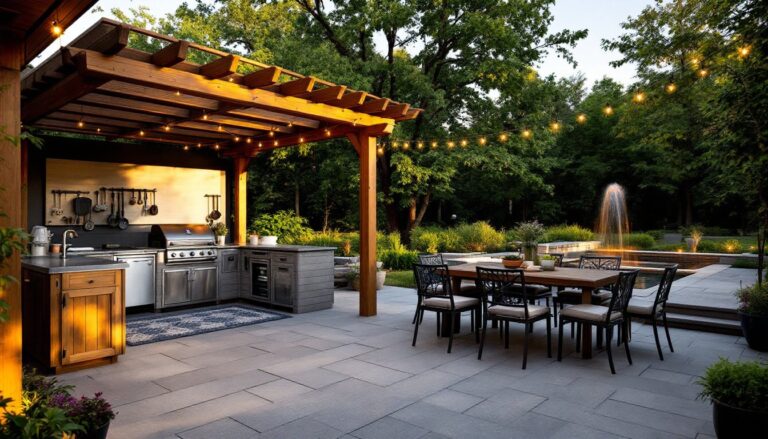
A camper is freedom on wheels, but the living space doesn’t have to end at the door. Adding a deck to your RV creates an outdoor extension that transforms how you camp, and you don’t need a contractor to build it. Whether you’re parked at a lakeside campground for the weekend or settled in for a season, a well-designed deck adds real value. It’s the difference between eating dinner on a cramped dinette and opening up to the outdoors. The best part? Most DIY camper deck projects can be completed in a weekend using materials from your local hardware store and basic hand tools. This guide covers budget-friendly designs, material choices, and practical building tips to help you create an outdoor space that actually works with your RV lifestyle.
Table of Contents
ToggleKey Takeaways
- DIY camper deck ideas solve the awkward transition between indoor and outdoor RV living while protecting your camper’s structural integrity from mud, water, and rot.
- Recycled plastic composite and pressure-treated lumber are the top material choices, with composites lasting 20+ years maintenance-free ($6–$10 per linear foot) and wood being a budget option requiring refinishing every 2–3 years.
- Weight is critical—a 4×8 composite deck adds 400–500 pounds, so calculate payload against your RV’s GVWR before building to ensure towing and braking safety.
- Most DIY camper deck projects are weekend builds using basic hand tools and hardware store materials, with popular styles ranging from simple 4×8 entry platforms ($200–$600) to extended living spaces with integrated seating and features.
- Proper anchoring, leveling, and a gentle slope (1/8-inch per foot) are essential to prevent shifting, water pooling, and safety hazards on uneven campground terrain.
- Start with a minimal platform and incrementally add features like shade sails, grills, or storage as you discover your actual camping routine, spreading costs while testing designs.
Why Add A Deck To Your Camper
A deck solves a real problem for RV owners: the awkward transition between indoor and outdoor living. Without it, you’re stepping directly from your camper onto uneven ground or grass, which gets muddy in minutes. A raised platform creates a buffer zone, protects your RV’s entry, and gives you defined outdoor seating and entertaining space.
Decks also protect your camper’s underbelly and extend the life of your flooring and siding. When guests track in mud or water soaks under the door frame, you’re looking at rot and mold. A properly designed deck channels water away from the RV and keeps the entry area clean and safe.
Beyond practicality, a deck opens up how you use your campsite. Instead of huddling inside, you can cook on a portable grill, set up lawn chairs, or create a small potted garden. For many campers, this outdoor extension becomes the heart of the trip, where memories happen. The investment, whether in materials or time, pays back in comfort and usability almost immediately.
Choosing The Right Deck Materials For Your RV
Material choice makes or breaks a camper deck. You need something lightweight (because your RV has a weight limit), durable (because it lives outdoors year-round), and easy to move or adjust as you change campsites.
Lightweight And Durable Options
Recycled plastic composite (RPC) is the gold standard for camper decks. Products like Trex or Fiberon are lighter than wood, won’t rot, splinter, or attract insects, and require almost zero maintenance. They cost more upfront ($6–$10 per linear foot) but last 20+ years with just occasional washing. They hold fasteners well and can be cut with standard woodworking tools. For a typical 4×8 platform, you’re looking at $200–$400 in materials.
Pressure-treated lumber (2×6 joists, 2×4 decking) is the budget route. Southern pine or fir, treated to resist rot, costs $1–$3 per linear foot. The tradeoff: you’ll need to refinish it every 2–3 years, it’s heavier, and splinters happen. Pressure-treated wood can still work for seasonal campers who pack down and store the deck in winter.
Concrete pavers and rigid foam underlayment solve the problem differently. Instead of building a deck frame, you lay interlocking pavers directly on leveled ground with foam spacers. This approach is ultra-lightweight, modular (you can expand later), and costs about $3–$5 per square foot. It’s not a traditional deck, but it creates a stable, dry entry platform with virtually zero build time. This works especially well for Class C campers or trailers parked for extended stays.
Aluminum deck kits (sold by RV dealers like Solera or Lippert) are pre-engineered bolt-on systems designed specifically for RVs. They run $800–$2,000 depending on size, but installation takes a few hours and everything fits by design. For owners who want certainty and minimal DIY complexity, these kits are worth considering.
Essential Design Considerations Before Building
Before cutting a single board, you need to think through weight, stability, and your RV’s specific layout.
Weight matters. Your RV has a dry weight and a GVWR (gross vehicle weight rating). A deck adds payload, which affects how the camper sits, tows, and brakes. A 4×8 composite deck weighs 400–500 pounds: pressure-treated wood is 600+ pounds. If you’re towing or driving often, heavier materials reduce payload for other cargo. Calculate your additions and check your RV’s manual to stay within limits.
Anchoring is critical. A platform sitting loose on the ground will shift, rot, or create tripping hazards. The deck must connect to the RV through sturdy attachment points, usually the frame or floor joists near the entry, or sit on adjustable legs or a concrete pad. If using adjustable feet, ensure they’re rated for the weight and won’t sink into soft ground. Many RVers use concrete piers or steel shim stacks to level the deck on uneven terrain.
Height and slope matter. The deck surface should be level with or slightly below the RV’s entry door for easy access (usually 18–24 inches high). Any surface longer than 4 feet should slope gently away for water drainage. A 1/8-inch drop per foot is standard and keeps water from pooling.
Code and permits vary by jurisdiction and whether the deck is permanent or seasonal. Some campgrounds forbid permanent structures: others have rules about attachment points and materials. Check before you build. If you’re anchoring to the RV, understand that mounting holes in the floor can affect seals and warranties. Many owners use non-penetrating weight-distribution blocks instead.
Accessibility and safety mean no sharp edges, sturdy railings if the deck is higher than 30 inches, and skid-resistant surface in wet climates. Composite decking and pressure-treated wood both get slippery when wet, consider texture coating or friction tape on high-traffic areas.
Popular DIY Camper Deck Styles
Real campers build what fits their trip style. Here are seven proven approaches:
1. Platform Entry Deck – A simple 4×8 or 6×8 composite or wood frame with decking, bolted or weighted to sit flush with the RV door. Costs $200–$600. Fits most RV heights. Takes a day to build.
2. Extended Living Platform – Larger (8×10 or bigger), extends beyond the RV footprint to hold furniture, a grill, or a fire pit. This is where outdoor living really happens. Budget $600–$1,500. Requires solid anchoring and leveling.
3. Modular Paver System – Interlocking pavers laid on foam spacers, no frame needed. Expandable, rentable-site friendly, and looks neat. Cost is $300–$800 for a typical footprint. Setup takes 2–3 hours.
4. Aluminum RV Deck Kit – Factory-made bolt-on systems (Solera, Lippert, others) that integrate seamlessly. Cost is $800–$2,000, but no fabrication needed. Best for owners who want professional results without the build.
5. Wrap-Around Bench Deck – A smaller platform with built-in seating on one or two sides. Saves space, provides storage underneath, and adds functionality. Moderate skill required. Budget $400–$800.
6. Fire Pit and Lounge Deck – A larger platform with a leveled floor for a portable fire pit or seating circle. Common for boondocking groups and extended stays. Design around a central feature.
Expanding Your Outdoor Living Space
The key to a successful deck is thinking beyond just a landing pad. Many experienced RV owners build a platform and then add accessories: a shade sail or pop-up canopy for sun protection, a portable grill mount, weatherproof storage cubbies underneath, or potted plants. You can even install railing with planter boxes. Resources like Instructables host detailed project plans for RV-specific builds, and Fix This Build That offers workshop guides and material reviews that help campers plan structural projects confidently.
Starting with a solid base, whether composite, wood, pavers, or an aluminum kit, gives you flexibility to customize later. Many campers begin with a minimal platform and upgrade features as they figure out their routine and what actually gets used. This iterative approach also spreads the cost and lets you test designs before committing to larger builds.
For those building from scratch, organizations like Ana White’s Modern Paver Planter plans show how to combine concrete blocks and lumber for raised surfaces that work well in camping contexts. Scale these concepts up for a deck, and you’ve got a proven foundation.
Conclusion
Building a camper deck isn’t complicated, but it demands honesty about weight, anchoring, and your own skill level. Start with a clear goal, whether that’s a simple entry platform or a full outdoor living room, and choose materials that match your climate, travel frequency, and budget. A well-built deck transforms camping from a cramped indoor experience into something genuinely comfortable. Do the prep work, level the ground, and your weekend project will serve you for years to come.